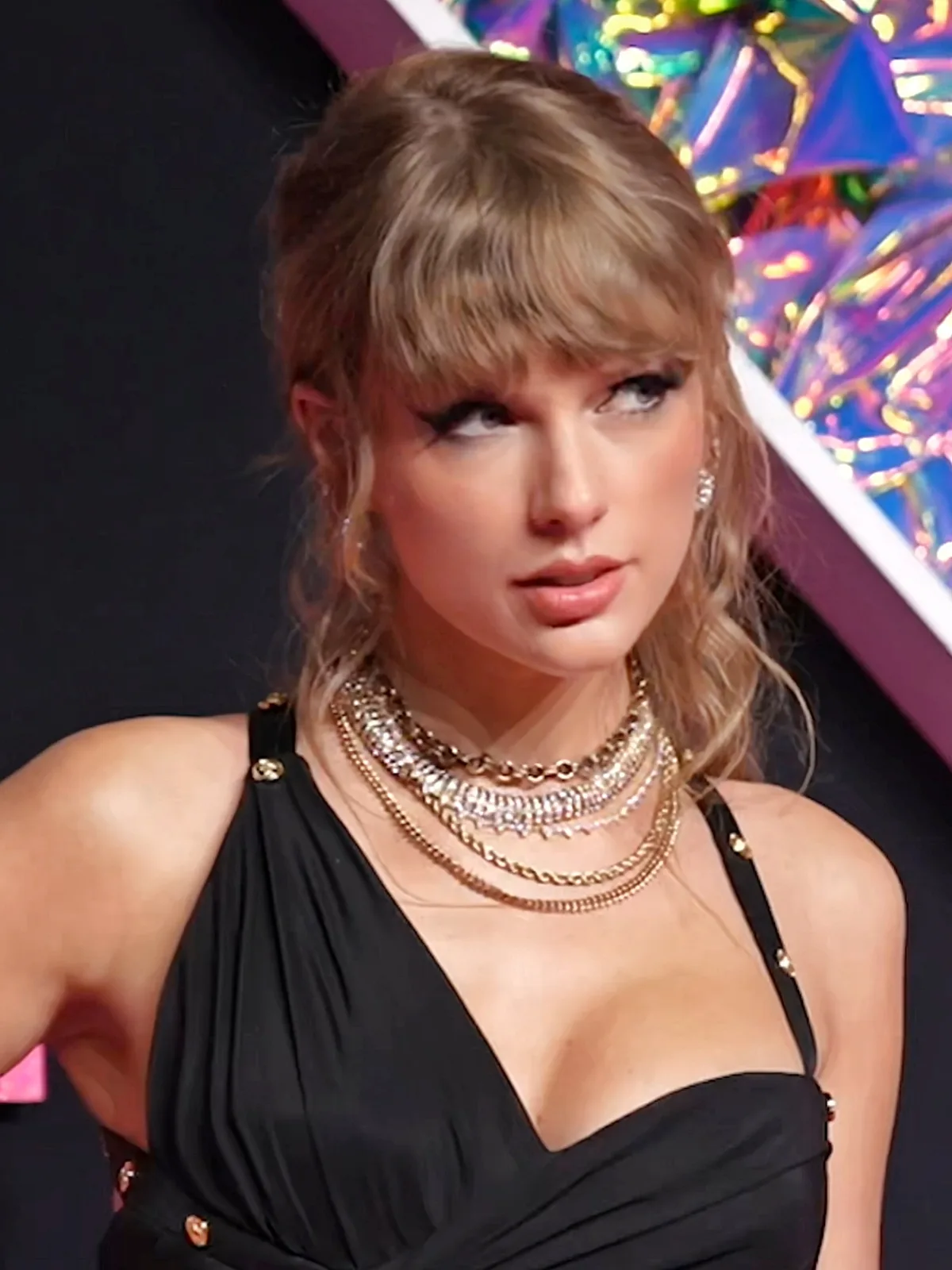
Taylor Swift red carpet looks are followed the way other stars' discographies are followed: closely, and with meaning attached. Across a career that has carried her from country beginnings to pop's biggest stages, her arrivals have shifted with each musical era, so that a gown is rarely just a gown. The confirmed record of her career is substantial — she is one of the best-selling artists of all time, and her Eras Tour became the highest-grossing tour ever, making over $1 billion, according to Capital — and the wardrobe that travels alongside that career has become a story of its own.
What makes her case unusual is the fan practice of decoding. Because Swift plans her visual presentation deliberately, audiences treat a red carpet appearance as a hint about what comes next. That habit has made her one of the most analyzed dressers in modern music, and it means any honest retrospective has to describe patterns rather than pretend every look has been officially explained. This piece sticks to what is on the record and reads the rest as style commentary, clearly labeled as such.
Her approach also reflects how modern red carpet dressing works across the industry: a team, a theme, and a plan. The mechanics behind that system are the same whether the client is a pop star or a film lead, and they are worth understanding before any single look is judged.
Why do fans read her outfits as clues?
Because Swift has built her career on deliberate visual eras, audiences assume every choice is intentional. Each album cycle comes with its own palette, silhouette and mood, and her public appearances tend to echo whichever era she is promoting at the time. Fans have long treated this as a puzzle, dissecting colors, accessories and even nail polish for hidden references to song lyrics or upcoming releases.
Straightforwardly: nobody outside her team can confirm what a given outfit means, and this publication does not pretend otherwise. What can be said is that the decoding habit is itself part of her story. It turns every carpet walk into an event, gives fans a shared language, and keeps attention on her between releases. Few artists have managed to make their wardrobe function as a communication channel this consistently.
That is also why her looks generate such strong reactions. When an outfit seems to match fan theories, celebration follows online within minutes. When it does not, the debate simply moves to what the choice might mean instead. Either way, the conversation is the point.
How has her style changed across her eras?
Her early public image leaned country: soft curls, sundresses and boots, matching the debut and Fearless years. As her music moved toward pop, the wardrobe followed — sleeker lines, bolder colors and a more polished, city-ready polish that mirrored the 1989 era's synth-pop confidence. The shift was not a rejection of the earlier self so much as a visible marker that the music had changed direction.
Later cycles brought their own signatures. The Reputation period favored darker tones and sharper tailoring, while the Lover era swung back toward pastels and romantic detailing. Folklore and Evermore introduced a softer, storyteller aesthetic — muted fabrics, cottage-leaning textures — that carried into her appearances during that stretch. Most recently, the Midnights and The Tortured Poets Department cycles, both named in her confirmed discography by Capital, have kept the pattern going: each release arrives with a visual identity that her public wardrobe can echo.
The through-line is coherence. Rather than chasing every trend, her team dresses her within the current era's language. That discipline is why a single photograph can place her in a specific moment of her career without a caption.
What this means for how her looks are made
A look like hers does not happen by accident. Behind any major appearance sits the process described in What Does a Celebrity Stylist Actually Do Behind the Red Carpet? — fittings, brand negotiations, a theme agreed well before the event. For an artist whose every choice gets analyzed, that planning burden is heavier than for most. A misjudged detail becomes a headline, so the margin for error is small.
There is also an archival dimension. Across the industry, stars increasingly pull from fashion houses' historic collections rather than ordering new pieces, a practice covered in Why Red Carpet Stars Are Dressing From the Fashion Archives. For Swift, whose eras are built on nostalgia and reference, archival and vintage-leaning choices fit her project naturally: the clothes can quote a period the same way a lyric does.
Our analysis, based on the confirmed shape of her career: the wardrobe is not decoration on top of the music. It is part of the same rollout. The Eras Tour, which Capital notes runs three and a half hours and moves from the debut album through The Tortured Poets Department, makes that explicit on stage — the same logic governs what she wears off it.
How do fans react to her biggest fashion moments?
Quickly, and at scale. Swift's audience is one of the largest in music, and reactions to a major appearance spread across social platforms within minutes of the first photos. Praise tends to center on whether a look honors the current era; criticism, when it comes, usually concerns a perceived break from her established visual language rather than the look itself. The publication's own standard applies here: reactions are real and documented, but their meaning is assigned by fans, not confirmed by anyone speaking for her.
That scale has business consequences too. A widely discussed appearance moves attention to the designer, the jewelry house and the glam team behind it, which is why credited styling has become the industry norm — the system is explained in How Red Carpet Beauty Gets Made: Inside the Credited Glam Team System. For a star of her size, a single carpet walk functions as a global showcase for everyone involved. We covered a connected angle in How Red Carpet Beauty Gets Made: Inside the Credited Glam Team System.
The reaction cycle also feeds back into her strategy. Because she knows the decoding will happen, the looks are planned with the decoding in mind — a rare case where audience behavior visibly shapes the art direction.
What remains unknown about her wardrobe choices
Almost everything specific. Designers, costs and intended meanings for individual looks are confirmed only when Swift or her team say so on the record, and most of the time they do not. The honest position is that the era pattern is observable, the fan analysis is real, and the intent behind any single outfit is unverified until someone with authority states it. Readers should treat any outlet claiming to have cracked a look's "hidden message" as offering theory, not fact.
What the evidence does establish is the framework: a career of record-breaking scale — the billion-dollar tour, the 2025 purchase of her own masters, as reported by Capital — sustained by one of the most deliberately managed visual identities in music. The memorable moments are memorable because the system behind them is consistent. When the next era arrives, the wardrobe will announce it before any press release does.