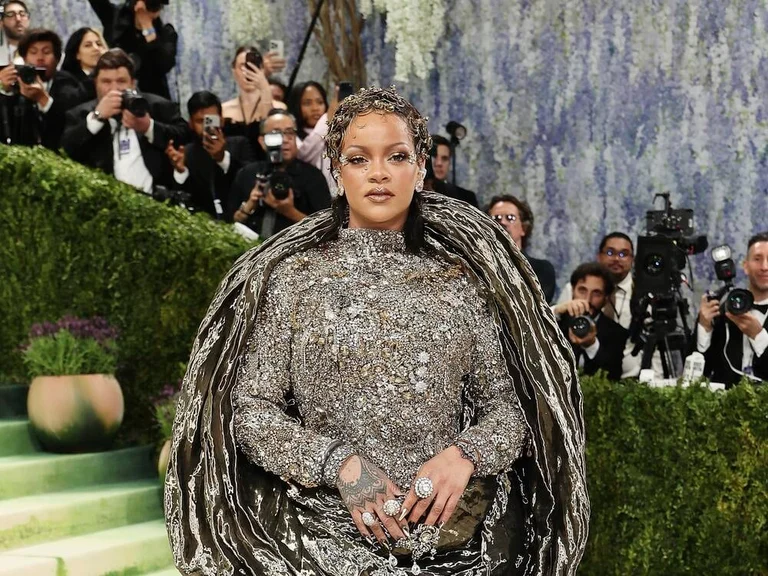
Celebrity makeup artist Patrick Ta created Gigi Hadid's 2025 Met Gala look using a Maybelline face stick retailing under $25, Harper's Bazaar reported on May 6, 2025, quoting Ta's "bronzy, fresh glam" statement. The credit is the story: red carpet beauty is made by named glam teams whose published choices can be traced and priced.
Who actually creates a red carpet beauty look?
A credited team, usually a makeup artist, a hairstylist, and a manicurist, coordinated with the stylist so the beauty reads as part of the overall look. At the 2025 Met Gala, Harper's Bazaar named the artists behind the night's most-discussed faces: Priscilla Ono, described in the piece as Rihanna's long-time artist, and Patrick Ta, "one of the masterminds behind Gigi Hadid's Old Hollywood glamour." These are not anonymous helpers; the Harper's Bazaar credits page lists artist, star, and product together, which is the modern standard for red carpet beauty journalism.
What did Patrick Ta actually say about the look?
His statement, quoted by Harper's Bazaar, is a brief masterclass in the brief a red carpet artist works from. "For Gigi, I really wanted to give her that bronzy, fresh glam," Ta said. "Something that feels super effortless, like she just got back from a vacation. It's all about enhancing her natural features, keeping the skin radiant and glossy, and adding that soft warmth to bring everything to life. I love when makeup looks like it's part of you. Fresh, glowy, and confident." Read it next to the finished photograph and the translation is direct: warmth over structure, glow over coverage, a look designed to read as skin on camera under the Met steps' flash bulbs. The quote also shows how credited artists explain choices in craft terms — texture, light, restraint — which is why their statements get published alongside the product lists.
How does a glam team prepare for a major event?
In overlapping tracks, over weeks. The process, as documented in credited coverage:
- Concept alignment: the makeup and hair direction is set against the gown and the event's dress code, so the beauty completes the silhouette rather than competing with it.
- Product selection: artists choose and often test products in advance, balancing house partnerships with performance; Ta's Met Gala statement described enhancing "her natural features, keeping the skin radiant and glossy."
- Skin preparation: treatments and trials in the days before, timed so the complexion on the night is prepared, not corrected.
- The chair on the day: hair, makeup, and nails sequenced against the fitting and the arrival time, usually across several hours.
Why are so many of the products affordable?
Because the artists choose them for performance, and the credits prove it. E! News reported that Hadid's entire 2025 Met Gala makeup — primer, foundation, concealer, blush, highlighter, lip — consisted of drugstore picks each under $15, built around Maybelline products by Ta, who noted in his statement that the goal was makeup that "looks like it's part of you." The E! News breakdown itemized the routine product by product, and Harper's Bazaar ran a parallel list of Met Gala beauty under $25, from Fenty Beauty mascara used by Ono to edge control used for Keke Palmer's copper hair look. Red carpet artistry and drugstore pricing are not opposites; on the biggest carpets of 2025, they were the same story.
How do the credits get published?
Through the artists and the brands, in the hours around the event. The standard pattern: the artist posts the finished face with a product list, the brand amplifies its placement, and beauty outlets compile the lists with each credit named. The table below shows how one event's beauty credits read once published:
| Star | Credited artist | Signature product | Per coverage |
|---|---|---|---|
| Gigi Hadid | Patrick Ta, makeup | Maybelline Lifter Stix face stick | Harper's Bazaar, May 6, 2025 |
| Rihanna | Priscilla Ono, makeup | Fenty Beauty Hella Thicc mascara | Harper's Bazaar, May 6, 2025 |
| Keke Palmer | Creme of Nature products | Argan Oil line, firm-hold edge gel | Harper's Bazaar, May 6, 2025 |
How do brand relationships fit into the credits?
Transparently, when the coverage does its job. E! News noted in its breakdown that Hadid has an ongoing spokesperson relationship with Maybelline, the brand whose products Ta used — a disclosure that lets readers weigh the product list with full context. Harper's Bazaar's parallel list mixed labels freely: Fenty Beauty for Rihanna's lashes, applied by her long-time artist Priscilla Ono, sat beside Creme of Nature styling products credited for Keke Palmer's copper hair moment. The lesson is that the credit system works both ways — artists choose products that perform under flash and heat, brands earn the association through the artist's actual kit, and honest coverage names the relationship so the reader can judge the recommendation on its merits.
What happens to the credits after the carpet?
They become the story's second life. Both pieces here ran the day after the 2025 Met Gala: Harper's Bazaar published its under-$25 product guide on May 6, and E! News itemized Hadid's under-$15 routine the same day, complete with the gold Miu Miu gown credited to the Josephine Baker theme. Within hours, each product list had been reshared, restocked, and reconstructed by readers who followed the credits back to the artists. That is the full loop of red carpet beauty: the look on the steps, the credit in the coverage, and the product on the shelf — with the artist's name carrying all three.
Reader questions, answered
Can a red carpet look really be recreated at home? Often yes, by design. When Patrick Ta builds a Met Gala look around a face stick and a mascara, the published credits make the routine reproducible at drugstore prices.
Who decides the beauty direction for an event? The credited glam team, in step with the stylist and the event's dress code, so hair and makeup complete the gown rather than compete with it.
Why do outlets publish the artist's name? Because the artist authored the look. Credit is both accuracy and the industry's currency — published names are how glam teams build the careers that fill the next red carpet.
What should readers take from the glam team credits?
That the finished look has authors, and their names are part of the fashion record. A credited glam team transforms a gown moment into a complete image, and the published credits — artist, technique, product, price — let readers reconstruct the look rather than merely admire it. When the next major carpet arrives, read the beauty credits the way the industry does: as the signatures of the professionals who built the picture.