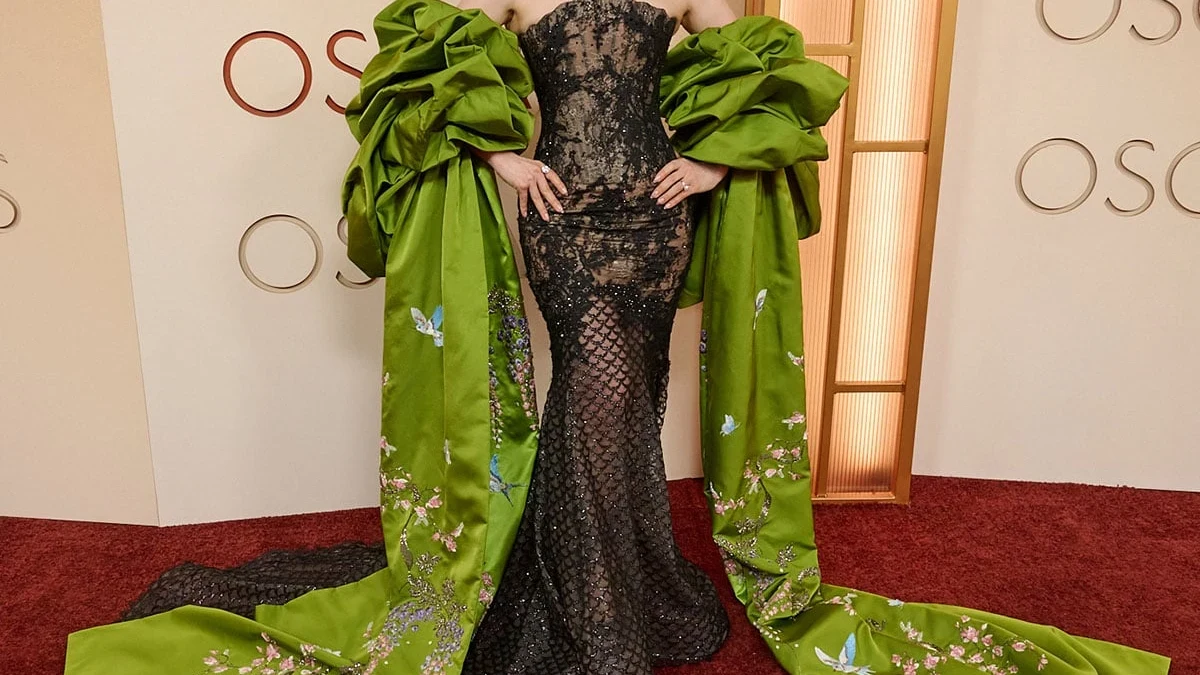
Red carpet stars increasingly wear fashion history rather than next season's samples. Vogue's Year in Review for 2025, published December 29, 2025, declared that the vintage and archival boom "held strong in 2025," crediting stylists who pull museum-grade pieces from past collections.
What Is Archive Dressing, Exactly?
Archive dressing means a star wears a garment pulled from a designer's or vintage dealer's holdings of past collections, sometimes decades old, instead of a newly made runway sample. The piece is authenticated, often restored, and credited precisely: house, season, year. At the 2026 Golden Globes, Vogue reported on January 12, 2026, that celebrities once more "slip into their prize vintage as much as their custom contemporaries," naming a custom remake of a Pierre Balmain haute couture fall 1957 look, a Jean Louis Scherrer spring 2003 gown on Jennifer Lopez, and Guy Laroche 2002 on Sabrina Elba, the latter sourced by vintage dealer Lily et Cie.
The practice rewards fashion literacy. A 1992 Thierry Mugler dress or a fall 1999 Givenchy gown reads as a citation, and the stylist gets the credit for finding it, which is why the trend has professionalized around specialized dealers and archivists who can verify provenance on demand.
It also changes what a red carpet credit means. A new-season loan says a house chose a star; an archive pull says a stylist found a garment and made a case for it. The second story is longer, and length is exactly what a step-and-repeat moment wants.
Who Made Vintage a Red Carpet Strategy?
The modern playbook is closely associated with stylist Law Roach and Zendaya. In a Vogue interview published February 26, 2024, Roach said the pair had been pulling vintage "for 13 years now" and framed it as a philosophy: "Beautiful clothes should live the longest lives possible, and as many lives as possible." He also drew a commercial line in the sand: "We don't borrow from vintage dealers, we buy. It's important to support smaller businesses."
That buy-don't-borrow stance separates serious archive dressing from loaner culture. Vogue's 2025 review credits the approach with widening the field: Kendall Jenner in a body-hugging black dress from Thierry Mugler's spring 1992 collection, Keke Palmer's roster of Chanel, Dior, and Versace vintage, and Cynthia Erivo working the Givenchy archives.
Roach's Zendaya run also demonstrated the publicity engine inside the trend. When the star stepped into Givenchy's fall 1999 "motherboard" dress during a press tour stop in Seoul, the moment was covered as fashion news in its own right, a 26-year-old gown earning headlines a new sample rarely manages. That economics, old garment, new front page, is what pulled every major styling team toward the archives.
How Does an Archive Look Actually Get Made Red-Carpet-Ready?
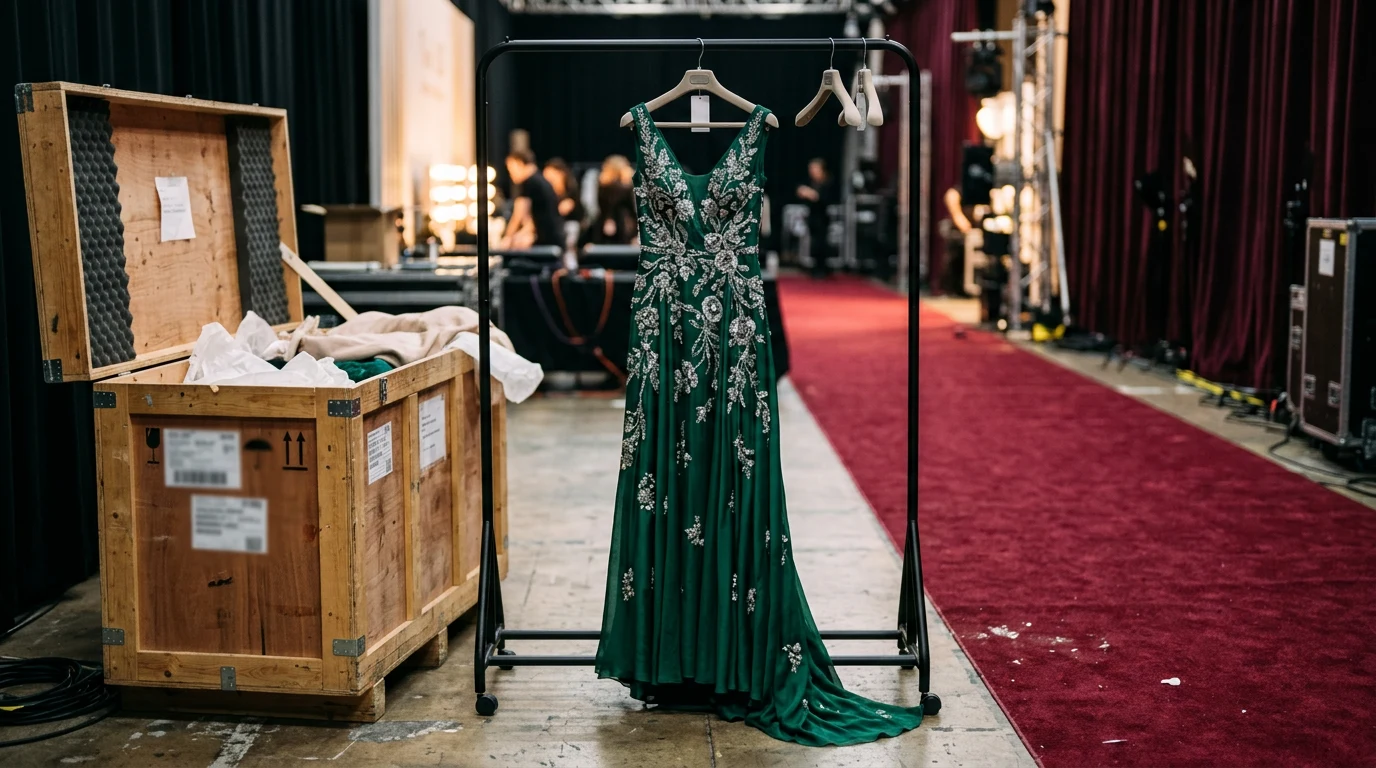
The process is closer to museum conservation than to standard styling, and it explains why archive looks are still the exception rather than the rule:
- Sourcing. A stylist identifies a piece through dealers, house archives, or auction records, often months before an event.
- Authentication. The garment is verified against collection records, its year and season confirmed so credits are accurate.
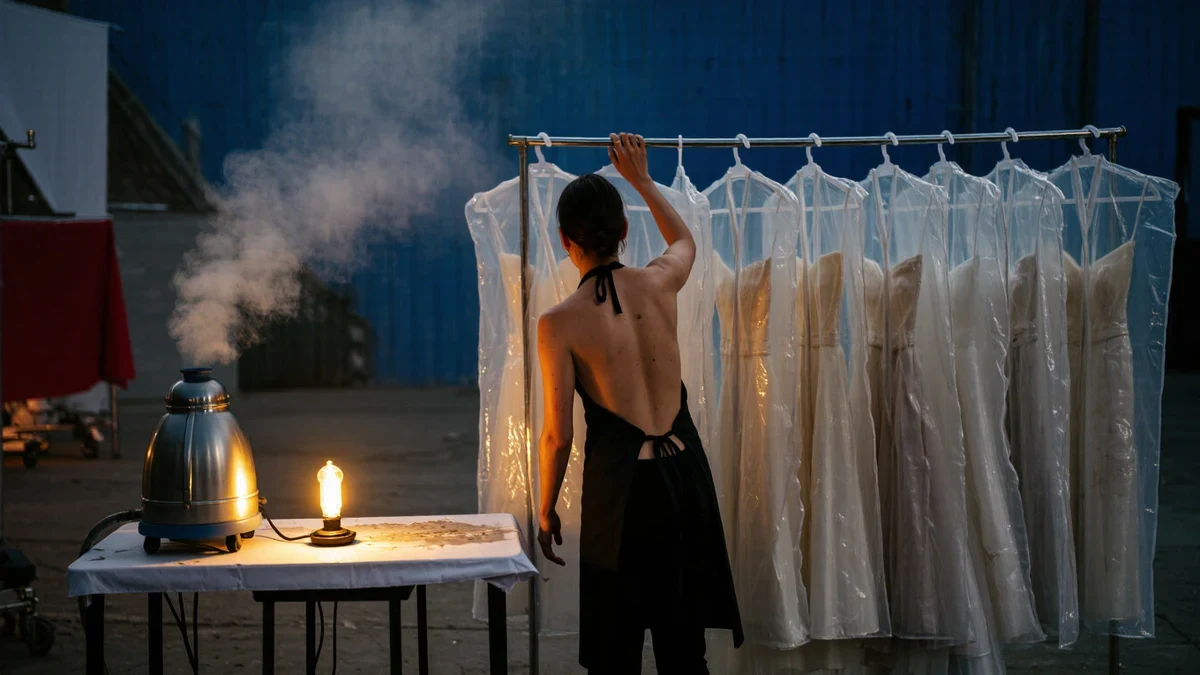
- Restoration. Fragile fabrics are stabilized, closures rebuilt, and fit adjusted with conservation-grade techniques that avoid cutting the original.
- Crediting. The look is announced with house, season, and year, and the source, dealer or archive, is named in coverage.
Every one of those steps shows up in the finished credit line, which is why a single archive gown can generate as much coverage as a full custom couture look. And each step adds cost: authentication hours, restoration specialists, insurance for one-of-one pieces that cannot be replaced. Houses and dealers absorb some of it, but the stylist's time is the scarce resource.
Why Did the Trend Deepen in 2025 and 2026?
Vogue's 2025 review identified a shift in where archive fashion appears: "But vintage and archival looks aren't just for red carpet anymore, they're full-on pap walk ensembles now." When off-duty dressing adopts the practice, the red carpet itself has to reach deeper into the vaults to stand out. The 2026 Golden Globes piece concluded that "there's still new stories to tell with the archives," an on-record signal from the outlet that set much of the trend's agenda.
There is also a business logic. Houses use archive loans to burnish heritage narratives, stars get a one-of-one no one else can wear that night, and dealers gain visibility that supports the smaller businesses Roach described. Everyone in the chain has an incentive to keep the boom going.
A sustainability argument travels alongside, though it is the least quantifiable of the three. Wearing what already exists requires no new production, and the trend's most vocal practitioners make that point plainly: clothes living, in Roach's phrase, as many lives as possible.
What Are the Risks of the Trend?
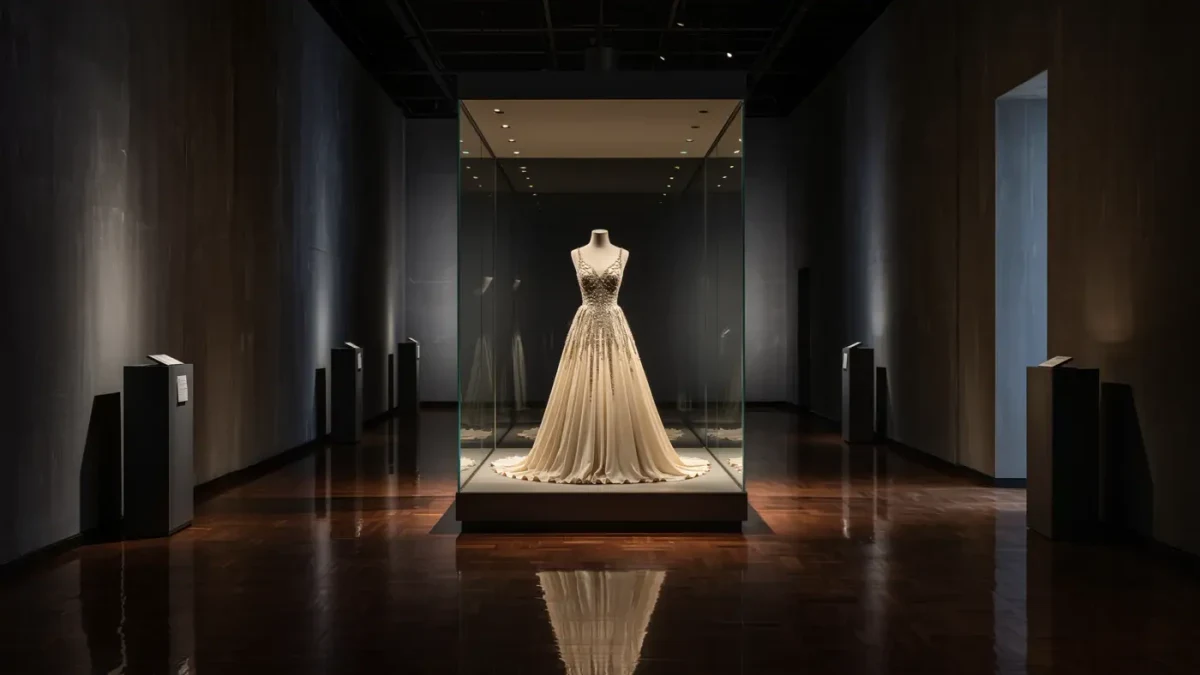
Archive dressing has failure modes, and the industry is honest about them. A fragile gown can be damaged beyond repair on a single carpet; a mislabeled credit can attach the wrong year to a look and misquote fashion history; and rising dealer prices can push smaller stylists out of the market the trend was supposed to support. Restoration specialists have become as important as the stylists who hire them, and the best teams now travel with the same care a museum lends a masterpiece.
There is also a saturation question. When every red carpet includes several archive pulls, the surprise that powered early viral moments weakens. Stylists answer by going deeper, to obscurer houses, single-season collaborations, and pieces never photographed on a carpet at all, which is how a trend sustains itself: each layer of difficulty filters out more of the field.
Is Archive Dressing Here to Stay?
The evidence says yes, with an asterisk. The volume of credited vintage at award shows has grown for several consecutive seasons, and the practice has spread beyond Hollywood to music, sport, and street style. The asterisk is supply: true archive pieces are finite, fragile, and expensive to restore, so the trend's future depends on the dealers and archivists who keep circulation alive. As long as stylists keep buying rather than borrowing, as Roach insists, the archive well gets deeper every year a new collection becomes somebody's vintage. That is the quiet genius of the system: fashion manufactures its own museum faster than any institution could collect it, and the red carpet has become the gallery where it is shown.