A single Chanel couture gown documented by Vogue in January 2018 carried 123,670 embellishments and required nearly 1,000 hours of work in the house's ateliers. That figure, shared by the house itself, is the clearest public illustration of what actually happens before a gown reaches a red carpet: months of hand construction by named professionals, invisible in photographs.
What is haute couture, technically?
Haute couture is custom-fitted, made-to-order fashion produced by houses that meet the standards of the Paris federation that governs the category. As Vogue Scandinavia explained in its January 23, 2024 primer on the craft, couture originated in late 19th-century Paris and translates simply as "high dressmaking," with each piece cut and fitted to one client rather than produced in sizes.
The federation's own calendar, published by the Fédération de la Haute Couture et de la Mode, sets the seasons and the member houses eligible to show. In a statement quoted by Vogue, federation president Ralph Toledano described couture as "a spearhead in terms of creation — a fantastic laboratory of both craftsmanship and design innovation," which is why the category survives economically despite its tiny client base.
Who makes the gown?
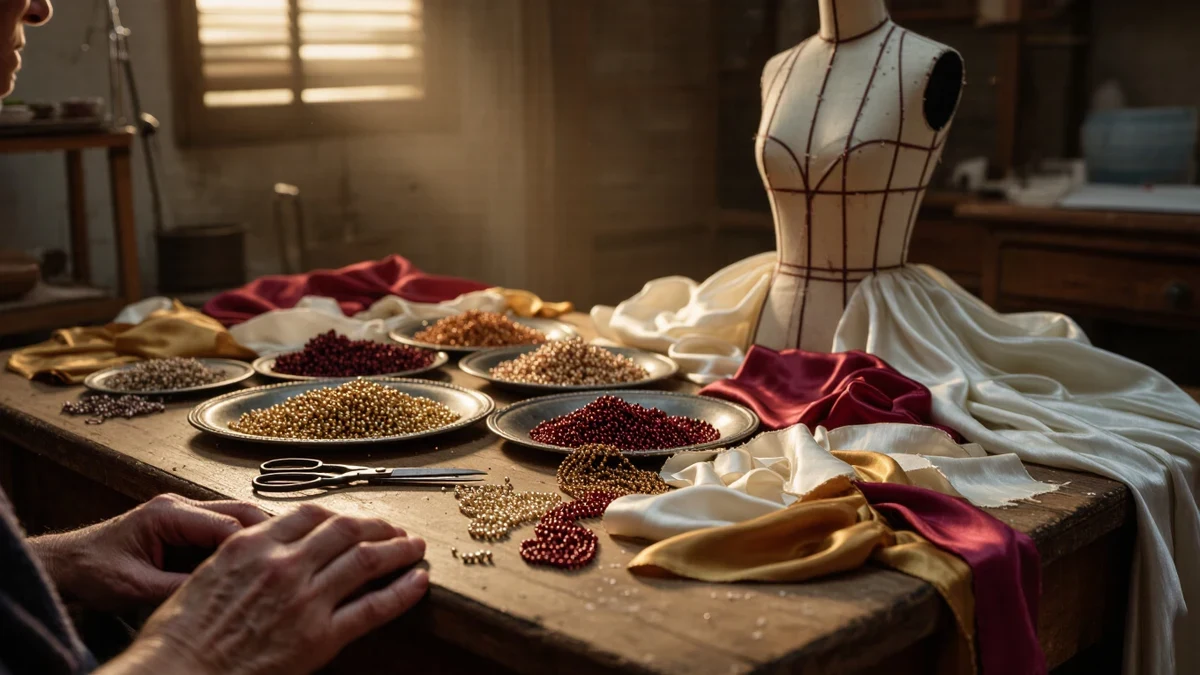
The hands belong to the petites mains, the atelier artisans whose title translates as "little hands." British Vogue, in a 2016 feature on Chanel's workshops, reported that the petites mains have been based at 31 Rue Cambon since the inception of Chanel couture, working across specialized ateliers for tailoring and dressmaking.
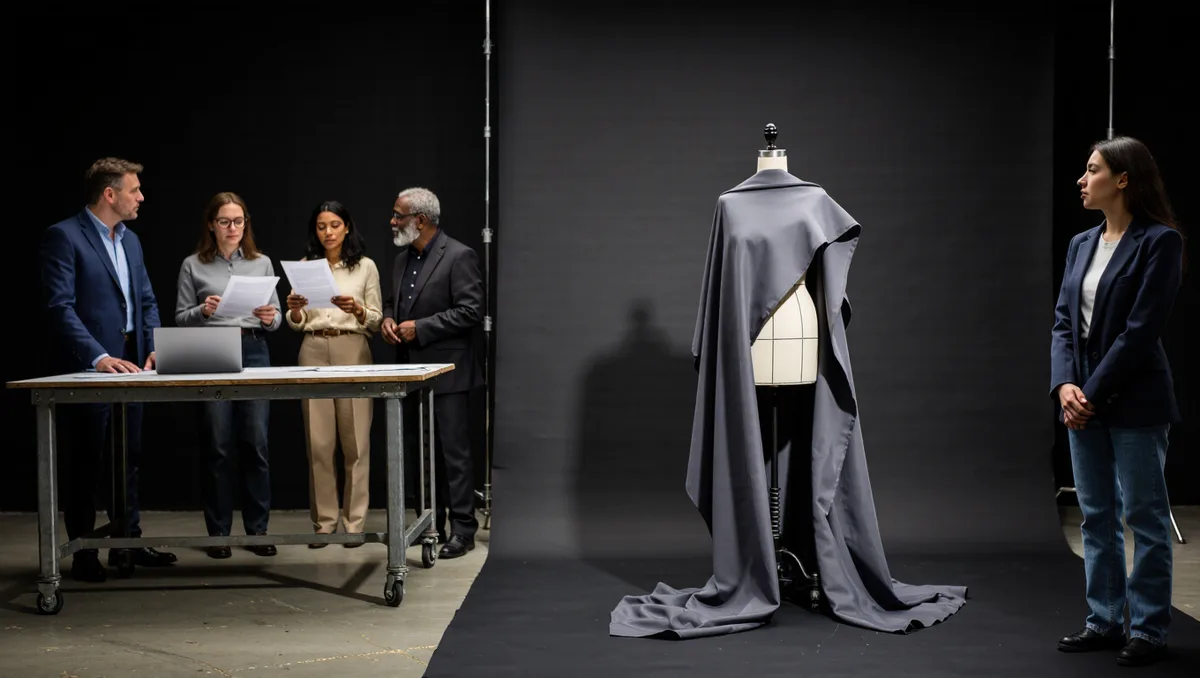
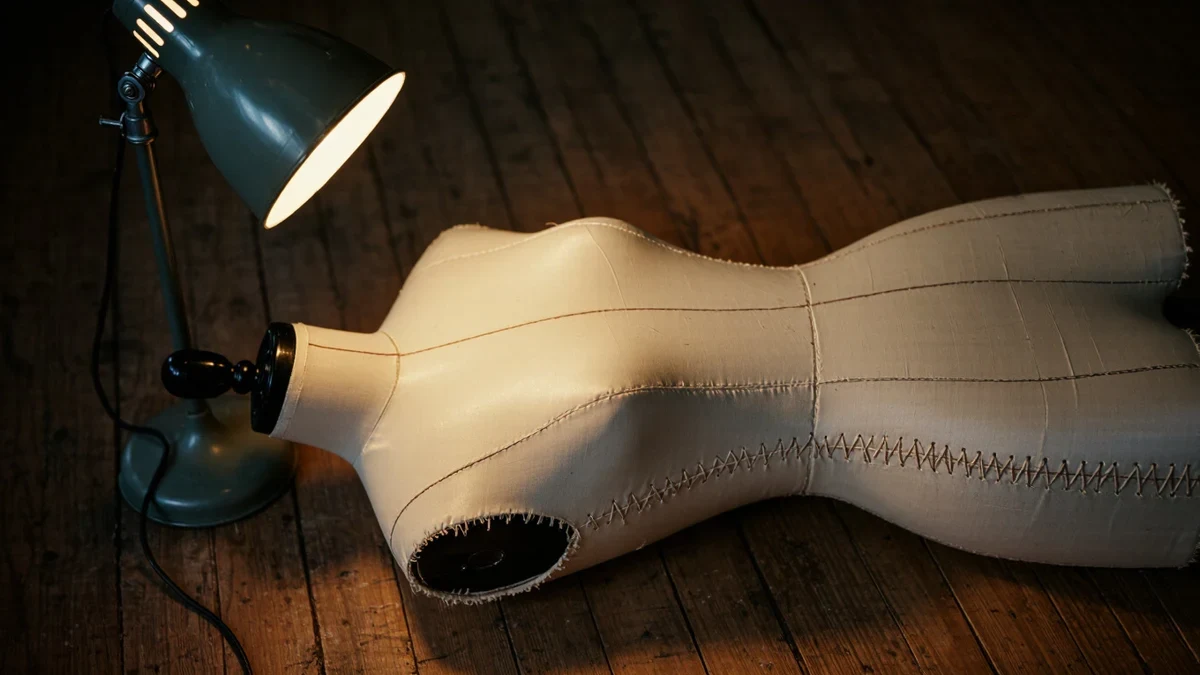
Their work is architectural. A single look moves between the flou atelier for soft dressmaking and the tailleur for structured pieces, with fittings on the house's fitted mannequin and repeated adjustments for the client's measurements. British Vogue's report noted that the world was made to acknowledge "the hundreds of hours that go in to sometimes creating just one garment" when Karl Lagerfeld put the atelier workers center stage during a couture show, a rare public credit for professionals who normally remain anonymous.
How many hours does one gown take?
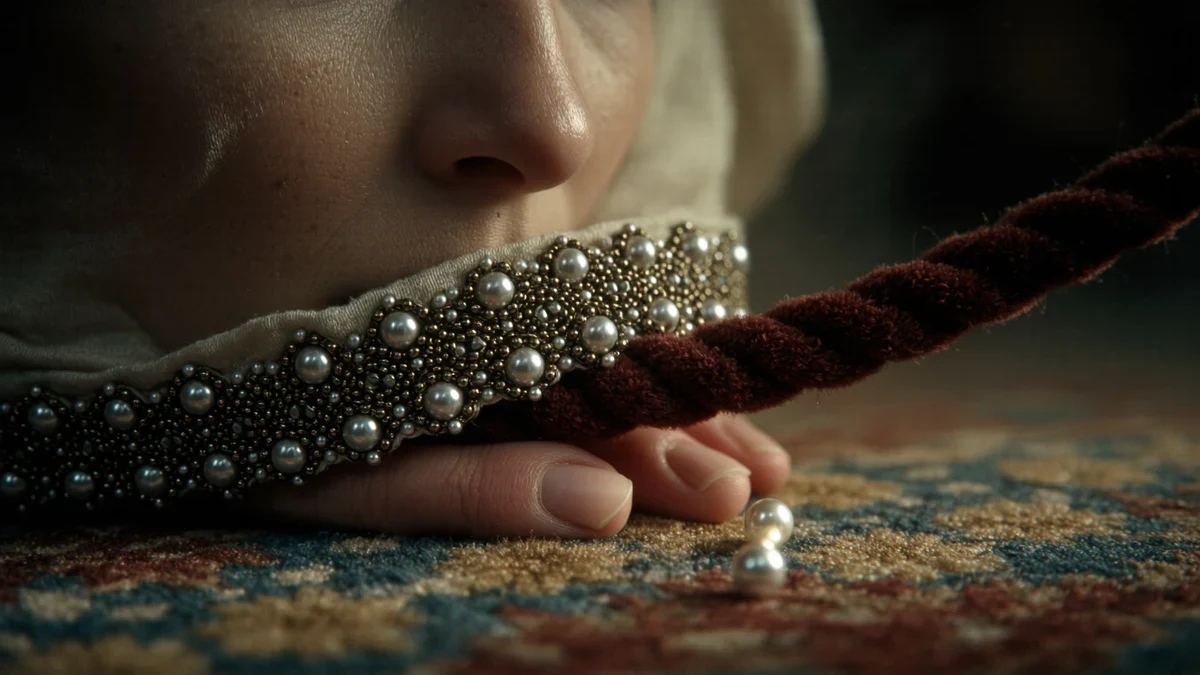
The documented answer is: more than almost any other object in fashion. Vogue's behind-the-scenes report on Chanel's spring 2018 couture counted 123,670 embellishments on a single iridescent look, with the top alone requiring 820 hours of work applying 40,000 beads, 5,650 stones and 74,300 sequins.
| Element | Documented figure (Chanel spring 2018 couture) |
|---|---|
| Total embellishments on the look | 123,670 |
| Beads on the top | 40,000 |
| Stones on the top | 5,650 |
| Sequins on the top | 74,300 |
| Hours of work for the top alone | 820 |
| Total hours for the look | Nearly 1,000 |
How does an atelier prepare for a couture season?
Preparation runs months ahead of the shows. The designer's sketches are translated into toiles, the calico prototypes that establish silhouette before any precious fabric is cut, and each look is then built backward from the show date, with embellishment scheduled around the hours it demonstrably requires. The Chanel figures make the arithmetic plain: a top consuming 820 hours cannot begin its beadwork a week before a fitting.
The petites mains work in specialization. Dressmakers of the flou handle soft, fluid materials; the tailoring atelier handles structured pieces, and a single couture look frequently crosses both, which is why houses describe garments moving between workrooms as a matter of course. British Vogue's feature placed Chanel's artisans at 31 Rue Cambon across the house's entire couture history, a continuity of craft that outlasts any single designer's tenure.
Client fittings complete the process. Because couture is cut for one body, the garment is adjusted across sessions until the fit is exact, and the final piece ships with the atelier's work embedded in its structure, invisible seams and interior finishing that photographs never capture but wearers always feel.
Why does this matter for red carpet coverage?
Because the credit belongs to the many, not the name on the label. When a star steps onto a carpet in couture, the look is the final frame of a process that began with toiles, fittings and thousands of hours of hand sewing by artisans whose names rarely appear in captions. Coverage that credits the house and, where supplied, the atelier and styling professionals, reflects how the garment was actually made.
It also explains the economics. A gown that consumes nearly 1,000 hours of specialized labor cannot be reproduced, which is precisely the point: couture functions as the laboratory, as Toledano described it, where techniques are developed before they filter into the collections the rest of the industry wears.
Why does couture survive in a fast-fashion era?
Because its function is not volume. The federation's own framing, relayed through Vogue's reporting, positions couture as a laboratory where craft and design innovation are developed before migrating into ready-to-wear, an image builder and a research division in one. The hundreds of documented hours behind a single garment are the research budget, and the red carpet is where the findings are published.
The economics are deliberately small. A handful of houses, a handful of clients, and a calendar governed by the federation's published schedule, with the January 2024 season Vogue Scandinavia described as typical: fixed dates, member houses, and collections built to be seen rather than mass-produced. Scarcity is not a side effect of the model; it is the model.
How does a gown move from atelier to red carpet?
The process runs in ordered stages, each documented across the houses' own materials and named-outlet reporting:
- The sketch is translated into a toile, a calico prototype that establishes the silhouette.
- Petites mains cut the fabric and begin construction, with embellishment applied by hand across hundreds of hours.
- Fittings adjust the piece to the client's or star's measurements, sometimes across several sessions.
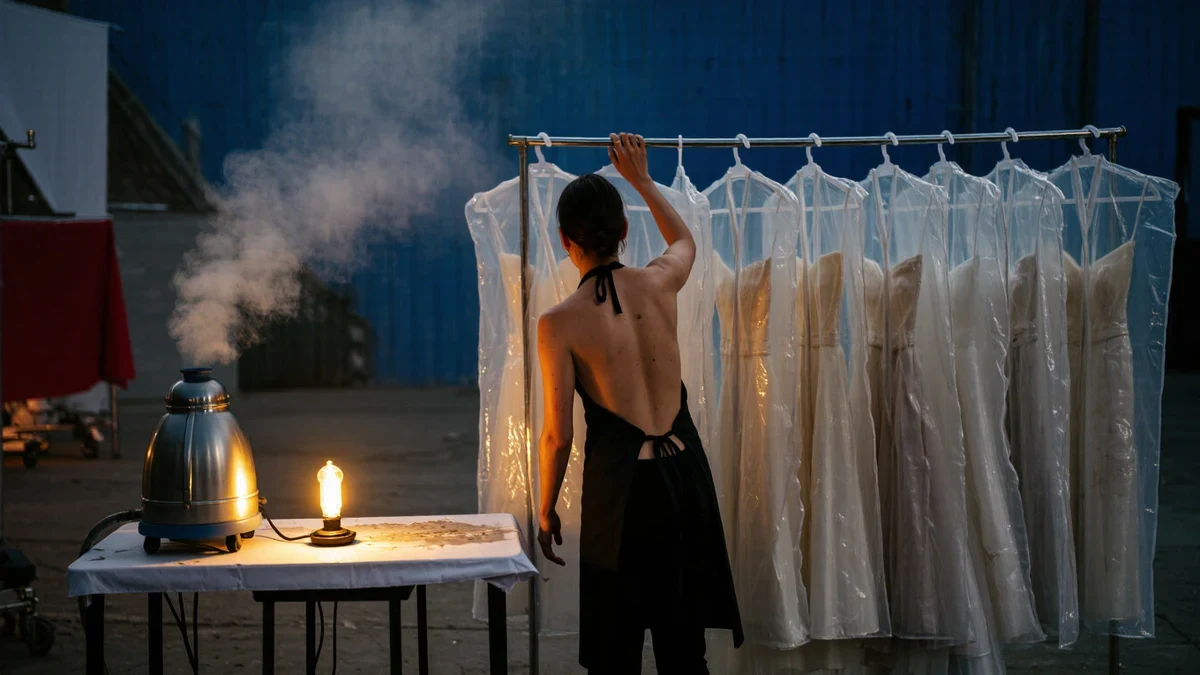
- Final finishing, pressing and steaming prepare the gown for delivery, typically days before the event.
- On the day, styling teams complete the look, with credits issued to the house and, where disclosed, the artisans.
The next time a red carpet photograph stops a scroll, the record suggests counting backward: behind one frame stand the 31 Rue Cambon workshops and their peers, and the thousand quiet hours British Vogue documented when the industry finally turned the lights on the petites mains.