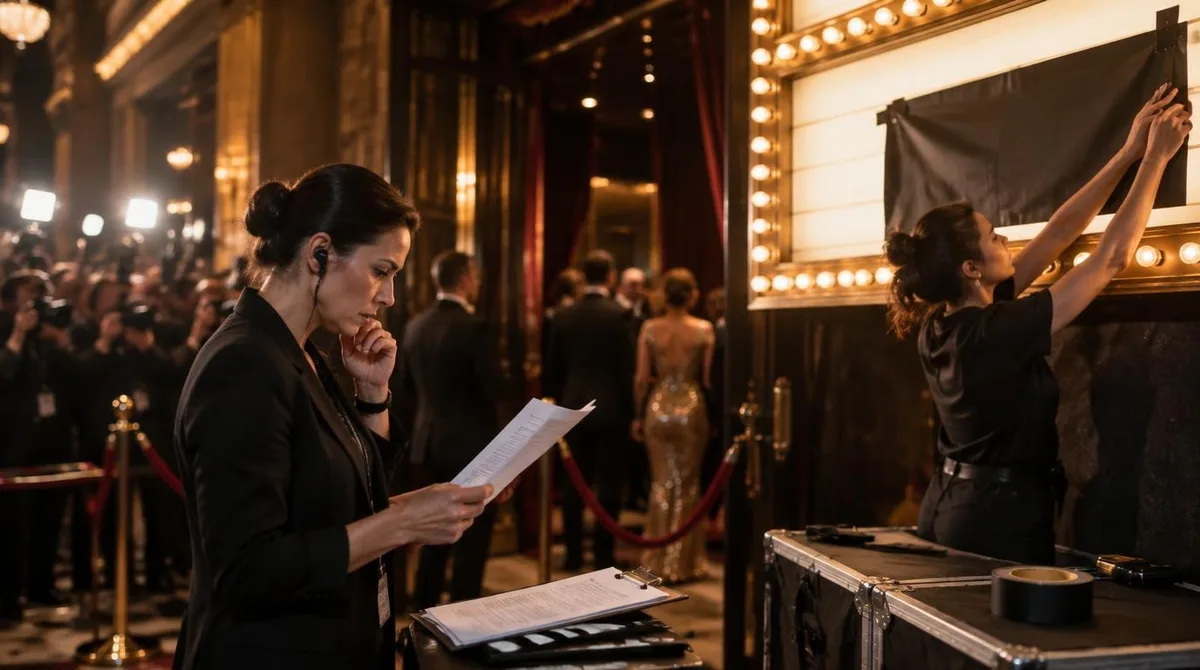
A celebrity cameo is a short, planned appearance by a well-known person in a film, show or event, arranged well before the audience ever sees it. It is not a lucky accident. Someone writes it, someone negotiates it, and a small circle of people keeps it quiet until the lights go down.
These appearances matter because they change how a project is talked about. A single surprise face can turn a routine premiere into the moment everyone posts about, and it can give a star a low-risk way to show range without carrying a whole film. Here is how the process actually works, from first call to opening night.
How does a cameo start on paper?
Most cameos begin as a line in a script, or as an idea a director or showrunner brings to the table. The writer asks a simple question: which familiar face would make this moment land harder? Sometimes the part is written with a specific person in mind. More often, the role is written as a type, and casting then works down a short list of names who fit.
Once a name is chosen, the outreach goes through the star's representatives, never directly to the star in the first instance. That is the standard route for every professional booking in entertainment, and cameos are no different. The star's team weighs three things: the size of the part, the tone of the project, and whether the appearance helps or hurts the star's own story.
Timing matters too. A cameo shot early in production can leak through crew chatter or location photos, so many productions schedule these scenes late, on closed sets, or even as reshoots added after the main filming has wrapped. That late scheduling is one reason cameo credits sometimes appear as a single unadvertised name at the very end of a cast list.
What does the deal look like?
A cameo is a real contract, just a small one. The star's representatives and the production negotiate the usual points: pay, screen time, billing, and how the appearance may be used in marketing. A day player rate applies to many short appearances, though a marquee name in a heavily promoted cameo can command far more, and some stars do brief appearances as a favor when the project involves a longtime collaborator.
Billing is often the most negotiated piece, not the money. Some stars want no billing at all, so the surprise stays intact. Others want a credit that runs before the title, or a hidden credit that only attentive viewers spot. The contract spells out which of those applies, and it also covers what the production may show in trailers. A studio that wants the cameo kept secret will agree in writing not to feature the star in any promotional material.
Union rules shape the paperwork as well. Screen performers work under collective agreements that set minimum pay, working hours and credit practices, so even a thirty-second appearance comes with formal terms rather than a handshake.
How is the surprise kept secret?
Secrecy is a production discipline, and it runs on the need-to-know principle. The full script may go out with the cameo scene removed or replaced by a placeholder. Crew call sheets for the cameo day list the scene under a fake name. The star sometimes arrives and leaves through a separate entrance, and the day's photography is restricted so nothing identifiable circulates online.
Studios also manage the marketing side. Trailers, stills and press notes are checked so the appearance never appears before release. Reviewers and critics who receive early access are sometimes asked, or contractually required, to hold back specific details until a set date. That embargo system is the same one that protects plot twists, and it exists because a spoiled cameo is a cameo that no longer works. Readers following this should also see The Boys and Widow's Bay Lead Critics Choice Super Awards Winners.
None of this is foolproof. Set photos surface, and fan communities piece together clues from casting notices and filming locations. But a well-run production plans for the leak risk by limiting how many people know, rather than by hoping nobody talks.
What happens at the premiere?
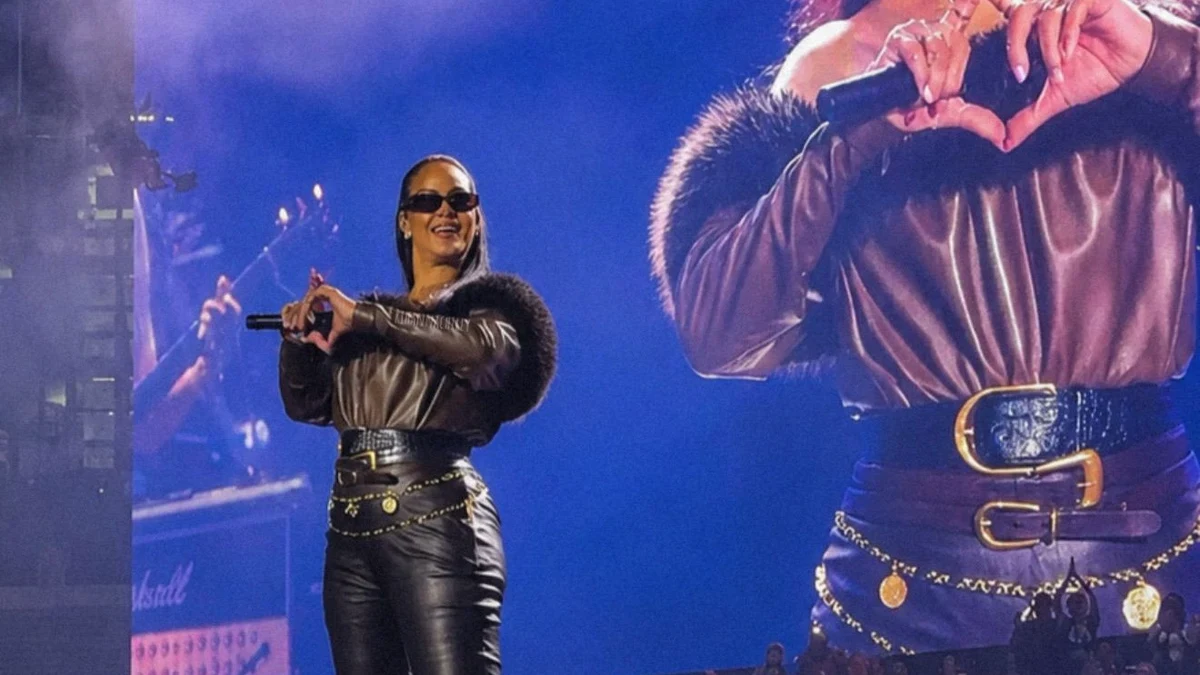
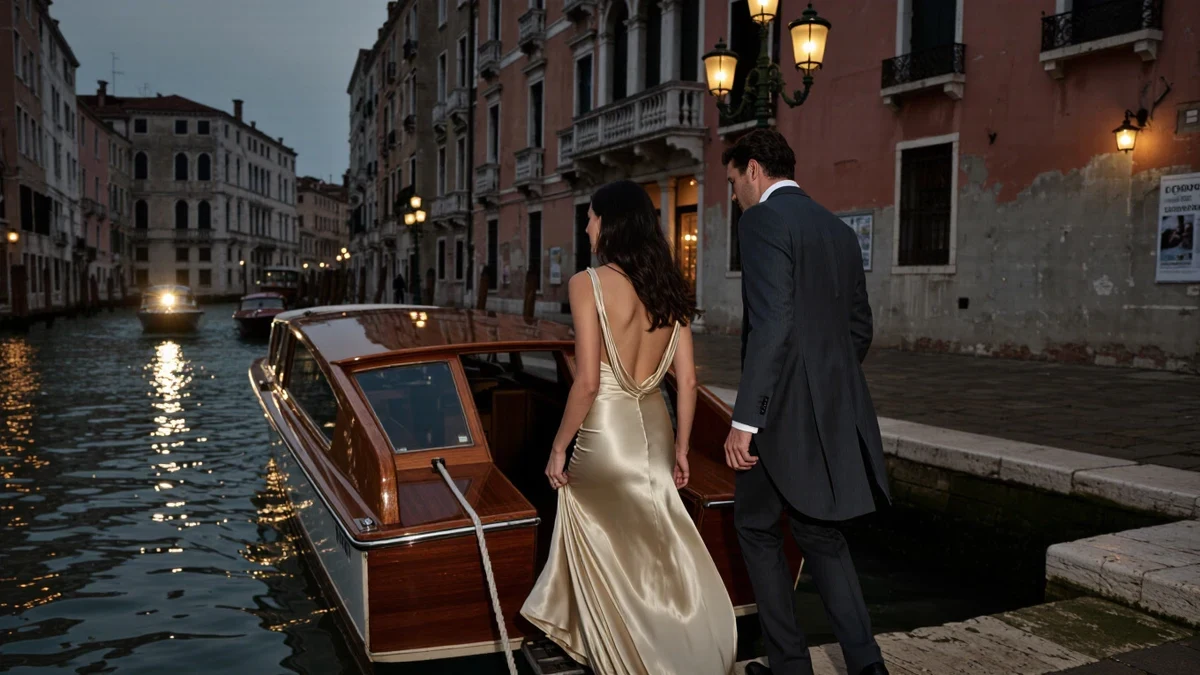
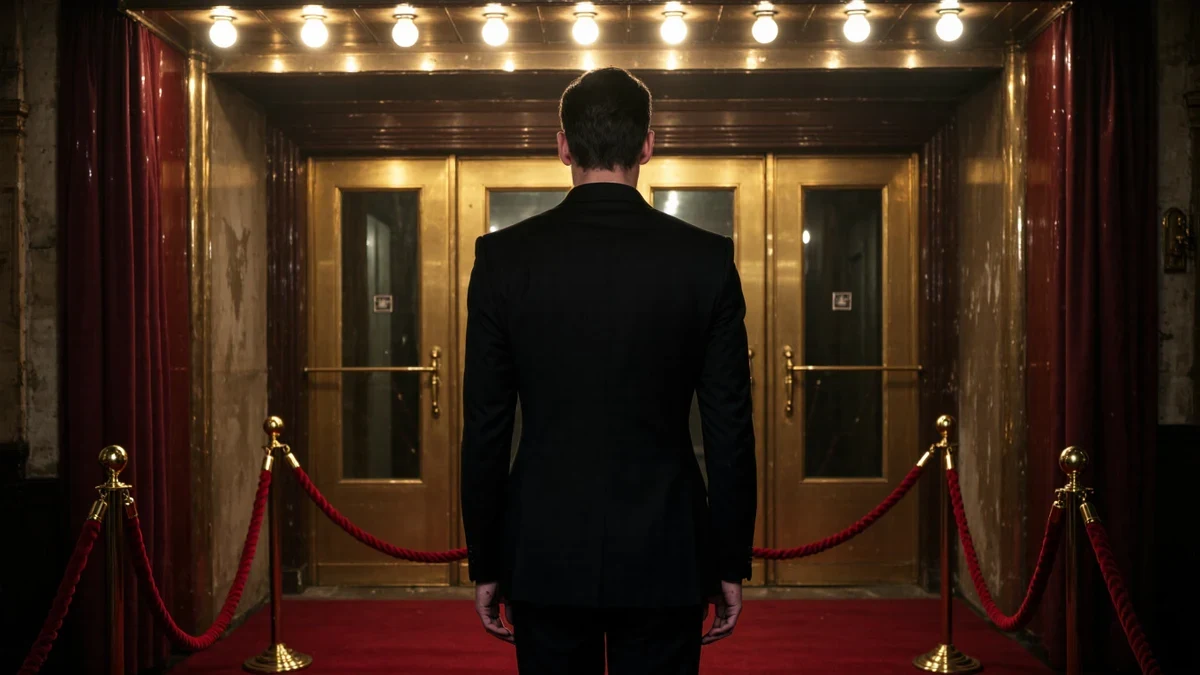
The premiere is where the planning pays off, and the red carpet is part of the design. When a cameo maker attends, the appearance on the carpet is often the first public confirmation that the person is in the film at all, and photographers and fans do the rest. The festival circuit works the same way: a surprise name on a premiere carpet can dominate coverage of the whole event, a dynamic explored in Why Festival Premiere Red Carpets Still Launch Films and Careers, Inside Venice 2026. We covered a connected angle in Why Festival Premiere Red Carpets Still Launch Films and Careers, Inside Venice 2026.
Audience reaction is the other payoff. Studios sometimes hold back the cameo even from the premiere program, letting the reveal happen live. The gasp in the theater, and the clip of it afterwards, becomes free publicity the marketing budget never had to buy. That word-of-mouth wave is why a cameo is treated as a launch asset, not just a casting choice.
What this means for viewers is simple: the surprise is engineered twice. Once in the contract, and once in the room.
How are cameo makers credited?
Credits follow the contract, and there are several common shapes. A standard cameo may carry a full cast credit, often placed after the main billing. A deliberately hidden cameo may carry no on-screen credit at all, or a single line buried in the end crawl. Some stars appear under a pseudonym in early press materials precisely so trade publications cannot list them ahead of release.
Awards and guild rules add a final layer. Performers' guilds have their own credit definitions, and an uncredited appearance can still count toward guild eligibility depending on the size and nature of the role. That is why the on-screen credit and the guild paperwork do not always match, and why a viewer who swears a familiar face was uncredited is often exactly right.
For the star, the credit decision is strategic. An uncredited turn reads as a gift to the project and a wink to the audience. A billed cameo reads as a professional engagement. Both are legitimate; they simply tell different stories.
Our analysis: why cameos keep working
The cameo endures because it serves everyone at once. Producers get a publicity spike they do not have to invent. Stars get a low-commitment way to support friends, play against type, or stay present in the conversation between bigger roles. Audiences get a moment of recognition that feels like an inside joke shared with the whole theater.
The craft behind that moment is unglamorous: short contracts, fake call sheets, embargo letters and careful credit placement. The next time a familiar face appears where no face was expected, the surprise is real, but the machinery that produced it was running for months. That is the confirmed, on-the-record shape of the business, and it is why the best cameos look effortless only after the fact.