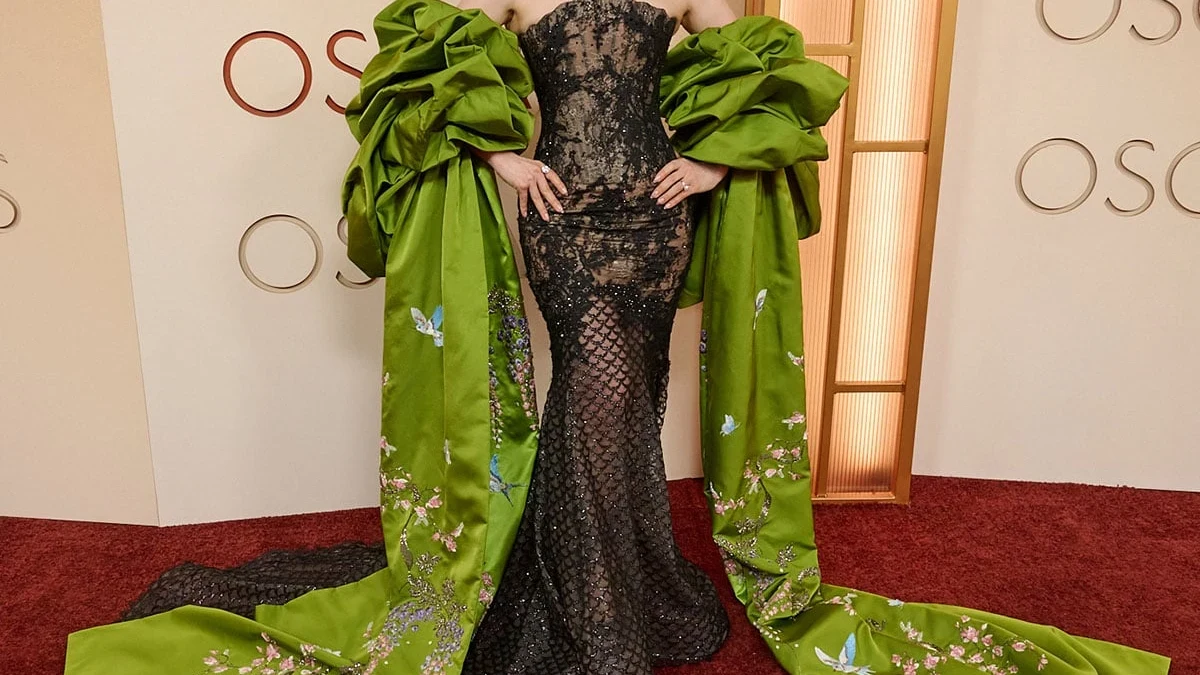
The 98th Academy Awards convened Hollywood's biggest names on March 15, 2026, and ELLE published its complete look-by-look gallery the same evening, written by Dale Arden Chong. The Hollywood Reporter's own carpet coverage followed on March 16, confirming what every fashion desk already knew: the Oscars carpet remains the single most consequential style stage of the year.
What did the 2026 Oscars carpet deliver?
ELLE's gallery, published at 4:23 p.m. EDT on ceremony day, framed the assignment plainly: "In celebration of the 98th Academy Awards ceremony, the biggest names in the film industry have gathered to honor the latest round of critically acclaimed movies and all of the people behind them. Naturally, with all of these stars gathering to celebrate, the looks on the red carpet aimed to deliver."
That promise, thousands of credited photographs within hours of arrivals, is the modern Oscars carpet's core product. As ELLE's 2026 gallery shows, the carpet is now covered like a runway show, with every look documented, credited, and ranked in near real time.
The Hollywood Reporter's March 16 gallery added the industry layer, photographing the executives walking the same strip of carpet as the stars, from studio co-chairs to streaming CEOs, proof that the arrivals line belongs to the whole film business, not only its on-camera talent.
How did the carpet get this big?
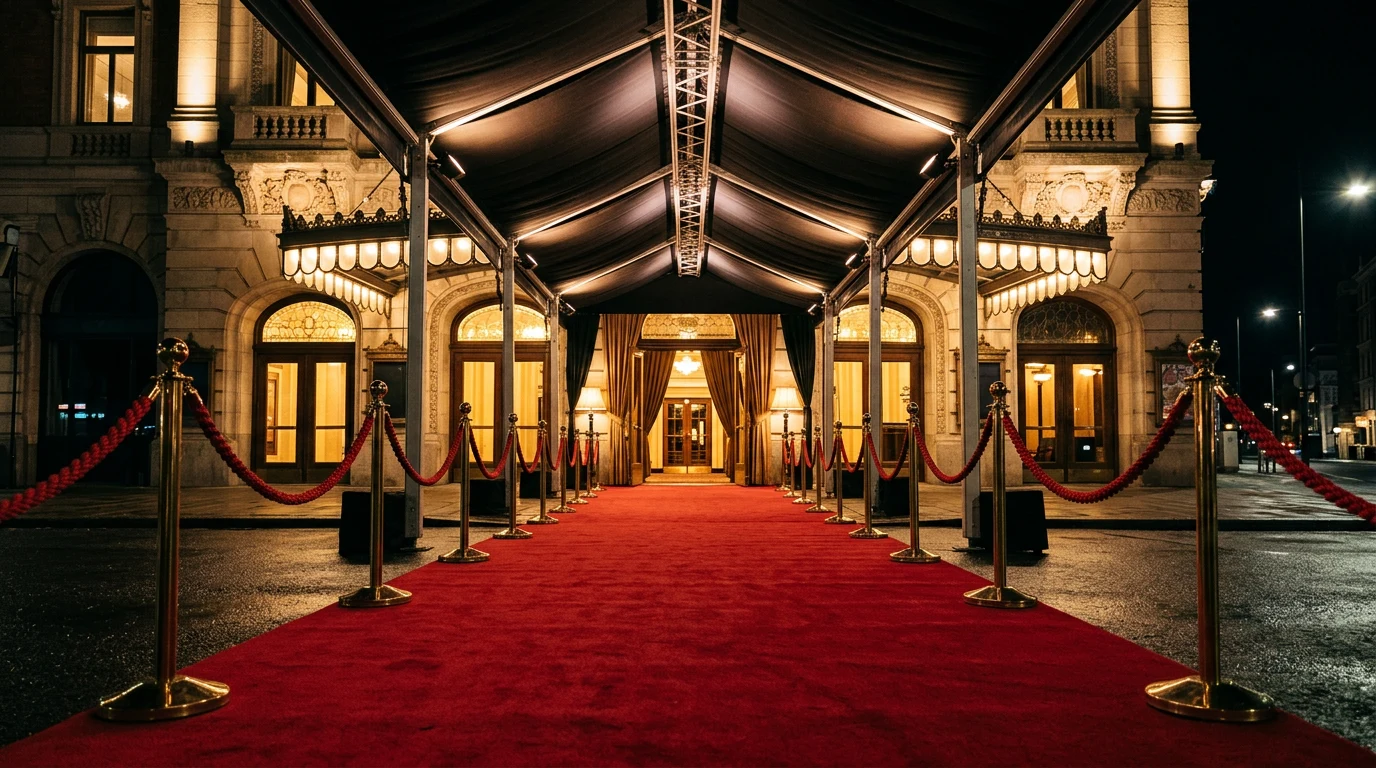
The Oscars carpet's rise is a story of infrastructure meeting incentive. The Academy's ceremony concentrates the year's largest collection of A-list faces into a single, credentialed photo environment, with velvet ropes, a fixed arrivals window, and official broadcast partners. Fashion houses respond by placing their most elaborate custom work there, and media responds by staffing the carpet like a breaking-news desk.
The 2026 edition illustrated each layer. The ceremony itself is an institutional event with a documented date and venue. The coverage is professionalized, with named editors and photographers producing galleries within hours. And the audience treats the results as content in their own right, separate from who wins what.
The result is a feedback loop: more coverage rewards more ambitious dressing, which generates more coverage. A look worn for ninety seconds of arrivals can outlive the ceremony in circulation by months.
Who actually builds a carpet look?
Every credited Oscars look is a team production, even though only the wearer is photographed. The credited chain runs from the fashion house that constructs the garment to the styling team that selects it, the jewelry and beauty professionals who complete it, and the publications that document and credit the whole assembly.
That credit chain is why carpet coverage at this publication reports designers and stylists by name from confirmed sources only. An invented credit is not a small error; it misattributes a house's work and a professional's livelihood. ELLE's ceremony-day gallery and The Hollywood Reporter's arrivals coverage are the standard artifacts of that chain.
For the 98th Oscars, the credited record was built in real time on March 15 and 16, 2026, and it now serves as the reference for every retrospective piece the industry will publish about the season.
How does carpet coverage actually get produced?
Producing the Oscars carpet record is a logistical operation nearly as large as the ceremony. Publications station photographers along the arrivals line, editors file galleries while the show is underway, and every image carries a credit string that names both the agency and the outlet, as the Getty Images and PMC credits in this year's galleries show.
The 2026 timeline tells the story of the speed. ELLE's look-by-look gallery was published at 4:23 p.m. EDT on March 15, before the broadcast had concluded, and The Hollywood Reporter's arrivals galleries followed across March 15 and 16, each with per-photographer credits on every frame. A reader searching for any single look the next morning found it already credited, indexed, and contextualized.
That speed is why the carpet rewards preparation over improvisation. Custom gowns are fitted weeks in advance, jewelry loans are arranged through houses and insurers, and beauty looks are rehearsed, so that the ninety-second walk can survive being photographed from every angle and published within the hour.
Where does the carpet go from here?
Each March, the stakes reset. The 98th Oscars demonstrated the format at full strength: an institutional ceremony, a documented date, an arrivals line photographed by the industry's official outlets, and galleries published while the show was still underway.
As The Hollywood Reporter's arrivals gallery showed, even the business side of Hollywood treats the carpet as the place to be seen, with studio leadership walking the same arrivals path as their nominated talent. No other style venue, not a fashion week, not a festival, concentrates this much institutional weight behind a single evening's dressing.
That is why the Oscars carpet remains fashion's biggest stage: it is the one night when the film industry's entire hierarchy, creative and executive, presents itself in credited couture to a global audience, and the record of that presentation is preserved by the industry's own publications within hours.