The Met Gala runs on protocols that shape every red carpet: Anna Wintour's control of the guest list, a themed dress code set by the Costume Institute's exhibition, and funding led by named underwriters. For 2026, the exhibition is "Costume Art," its dress code "Fashion Is Art," and the lead sponsors were announced in November 2025.
Who Decides Who Gets In?
Attendance is by invitation, with the final guest list curated under Wintour's oversight as Vogue's editor-in-chief and the gala's chair since 1995. Brands and houses purchase tables and fill seats, but every name passes editorial review, which is why the same constellation of film, music, sport, and fashion figures recurs each first Monday in May. The invitation machinery is the protocol: there is no general ticket sale, no public application, and guests do not bring unvetted plus-ones. A seat at the Met steps is assigned, confirmed, and documented months ahead.
Table hosts carry real weight in the system. A designer invites their muses, a studio invites its stars, and the gala's mix reflects those choices filtered through editorial approval. That is how a rising actor ends up on the steps next to a living legend: two different tables, one curated room.
What Are the Event's Actual Rules?
The gala's most consistent constraints, as documented across named coverage of the event, look like this:
| Protocol | What It Means in Practice |
|---|---|
| Dress code | Each year's code interprets the Costume Institute exhibition; 2026's is "Fashion Is Art" for the "Costume Art" show |
| Guest list control | Wintour-curated invitations via purchased tables; no public tickets |
| Phone discipline | Phones are famously discouraged inside, especially at dinner, preserving the event's exclusivity |
| Seating chart | Pre-planned placements that mix industries and pair guests deliberately |
| Funding transparency | Lead sponsors and underwriters are announced publicly, as with the 2026 lead sponsors named by CNN |
None of these rules is arbitrary. Each protects the gala's product: a single night whose imagery, carefully rationed, funds the Costume Institute's exhibitions, conservation lab, and gallery spaces for the year.
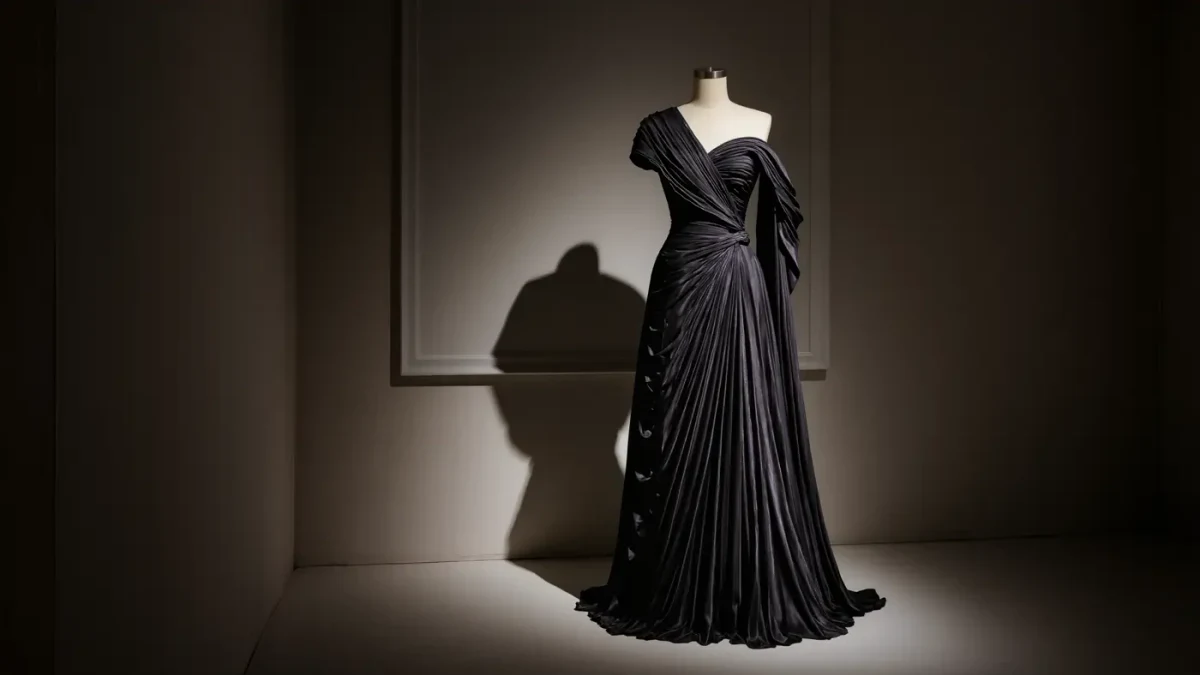
The dress code is the rule with the longest public shadow, because it is the one the audience participates in from home. "Fashion Is Art" invited guests to treat their looks as artworks for the 2026 carpet, a brief that stylists translated literally, with sculptural silhouettes and painterly references dominating coverage of the steps.
How Does the Money Work?
The gala is a fundraiser for the Metropolitan Museum of Art's Costume Institute, and its financing is unusually visible for a red carpet event. CNN's November 24, 2025 report detailed the 2026 structure: "Jeff Bezos and Sánchez Bezos were unveiled as lead sponsors of the event last week, along with secondary sponsors French luxury brand Saint Laurent and Vogue publisher Condé Nast." Wintour, asked about the choice of lead funders, told CNN, "We're very grateful for her incredible generosity," describing Sánchez Bezos as "a great lover of costume and obviously of fashion."
That sponsorship visibility is itself protocol: because the event benefits a public museum, its major patrons are announced rather than obscured, and the exhibition the gala funds becomes the year's public-facing justification for the whole production. Sánchez Bezos later praised Wintour in a Costume Institute speech, saying, "As we all know, no one has done more to elevate fashion as an art form," and, "The Met has always understood something the rest of the world is finally catching up to: Fashion is art."
The announcement of lead funders also drew public criticism, which CNN covered in the same report, and that, too, is part of the protocol story: a museum benefit this large is accountable to its public in a way a brand's private party never is.
What Happens on the Carpet Itself?
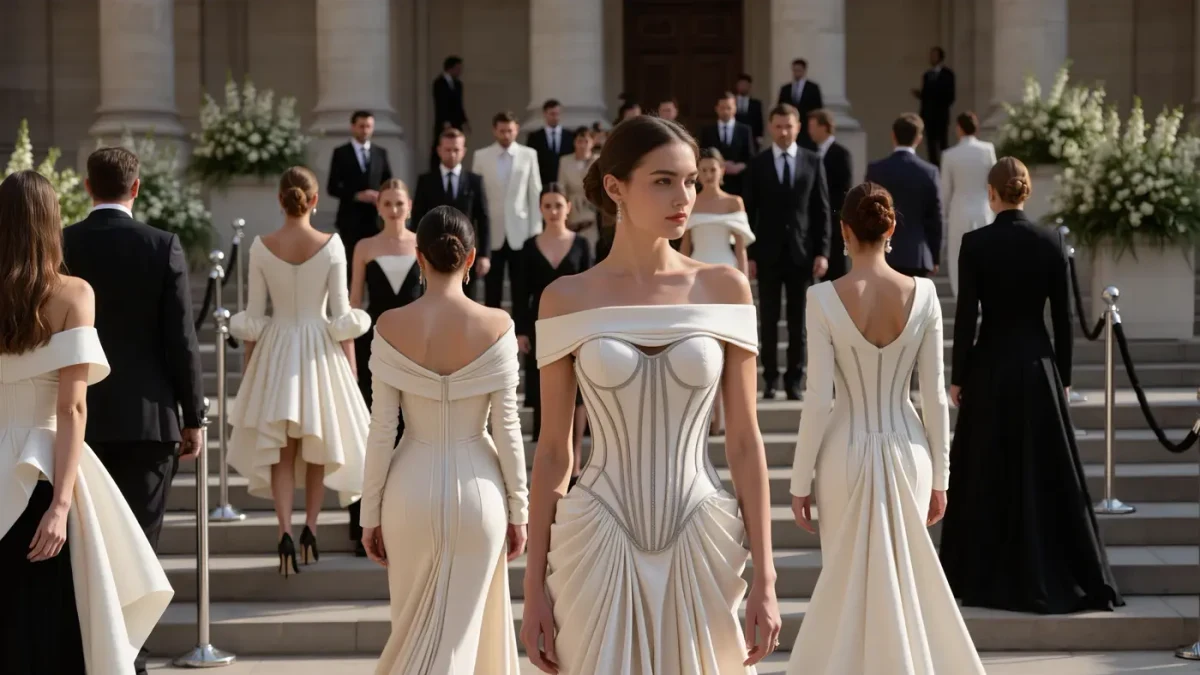
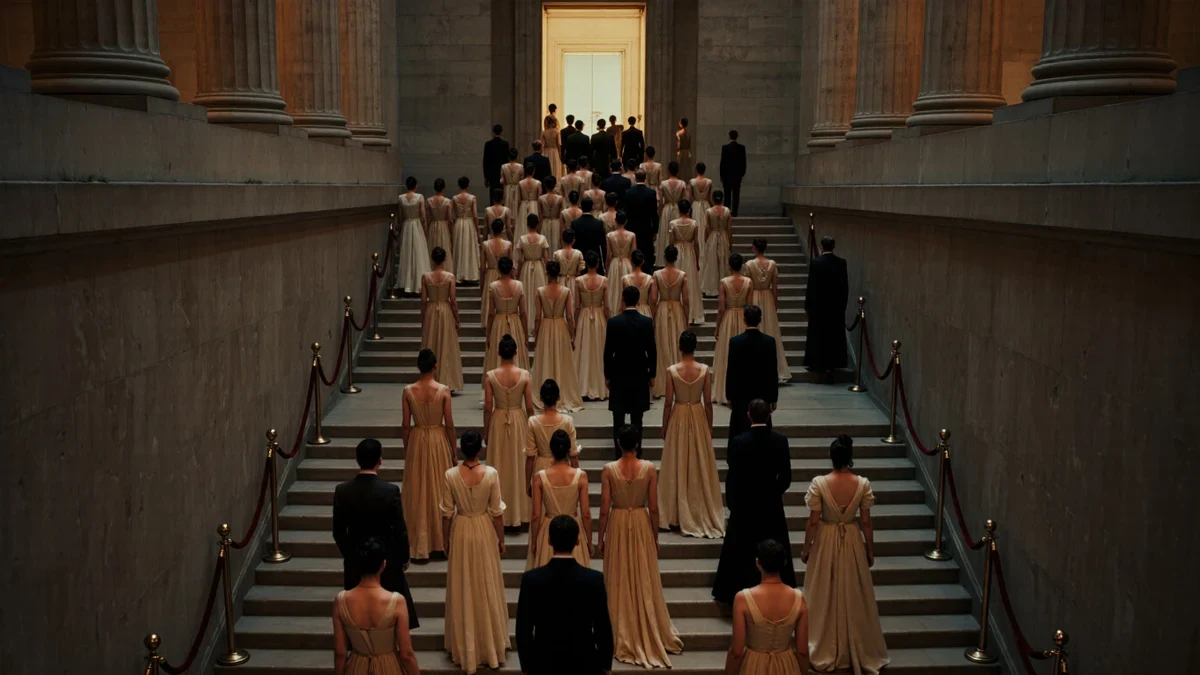
The stairs are choreographed. Arrival order is scheduled, photographers are credentialed into fixed positions, and each look is credited to its house, stylist, and team in coverage that names professionals rather than judging bodies. When guests reach the top, the phones go away and the night becomes private, which is precisely why the carpet hour generates such concentrated value: it is the only public window into the room.
The choreography extends to timing. The carpet runs in waves, with the biggest arrivals saved for the final hour when the photo positions are fullest and the live streams are at peak audience. A publicist negotiating a slot on those steps is booking theater, down to the minute.
The protocols also produce the gala's famous imagery discipline. Because only credentialed photographers shoot the steps, every frame that reaches the public passes through a fixed set of positions and lenses, which is why Met Gala portraits share a visual grammar no other night in fashion can replicate. Scarcity, of access and of imagery, is engineered as deliberately as the guest list.
Do Other Red Carpets Follow the Same Rules?
Partially, and the differences are instructive. Award-show carpets are credential-and-invitation events too, but their guest lists follow nominations rather than one editor's curation, and their dress codes are unwritten rather than thematic. Film festivals add premiere hierarchies, with talent slots assigned by studio and arrival times contracted in advance. The Met Gala is simply the purest version of the form: one institution, one curator, one night, one theme.
What travels from carpet to carpet is the crediting discipline. Across all of them, professional coverage now names the house, the stylist, and the glam team rather than rendering judgment on a body, a standard the Met's concentrated spotlight helped normalize industry-wide.
Why Do These Protocols Keep Getting Stricter?
Because scarcity is the gala's currency. A guest list everyone could join, a carpet anyone could livestream, or a dress code anyone could ignore would collapse the event into an ordinary party. The rules, curated entry, themed dressing, controlled imagery, disclosed patronage, are what turn a museum benefit into fashion's most watched red carpet, and the 2026 cycle showed the machine running on schedule: theme in November, chairs in December, funders confirmed on the record, and a first-Monday-in-May carpet to close the loop.