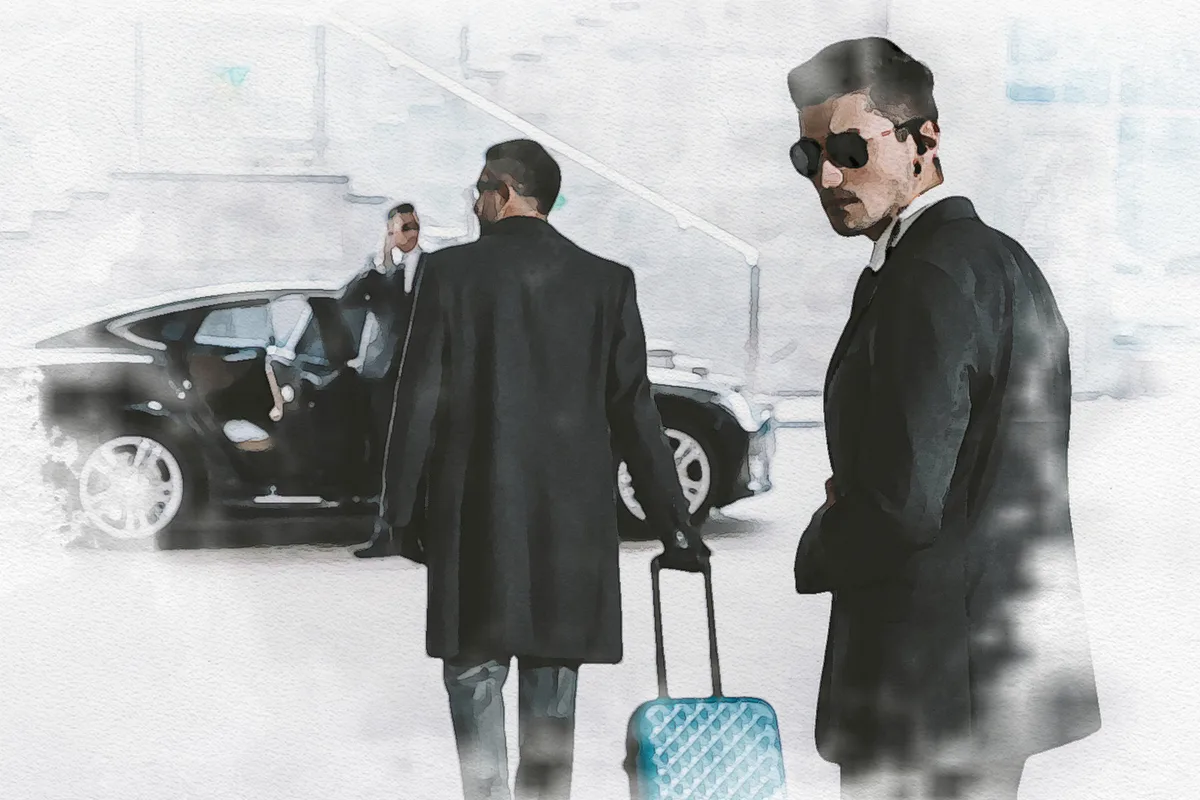
Celebrity security teams protect famous people at public events, on the road, and at home. They plan staffing for appearances, set travel routines, and decide what details stay private. Most of their work never makes a headline; when it does, it is usually because a representative confirms an incident or a change in protection.
This guide explains how those arrangements function in practice. It covers event staffing, travel protocols, and the small amount of information teams disclose publicly. The rules here are general patterns, not instructions tied to any one star, because protection plans are private by design.
What does a celebrity security team actually do?
A security team has three broad jobs. The first is advance work: someone visits a venue, hotel, or neighborhood before the star arrives and maps entrances, exits, and crowd flow. The second is protection on the day, meaning the guards visible at an event. The third is quiet daily protection, which looks like ordinary companionship from the outside and is deliberately low-key.
Teams also handle screening. Guests, staff, and press check in through controlled points. Bags get checked at premieres and fan events. These steps are standard practice across the industry, and publications that cover red carpet events see the results without ever seeing the plan behind them, the way coverage of red carpet moments shows the polished outcome and none of the machinery.
One thing a team is not is a single bodyguard. Public figures with heavy schedules typically work with a lead professional who coordinates a rotating group. The lead decides how many people an event needs, based on the venue, the expected crowd, and the star's public profile that week.
How is security staffed for a public appearance?
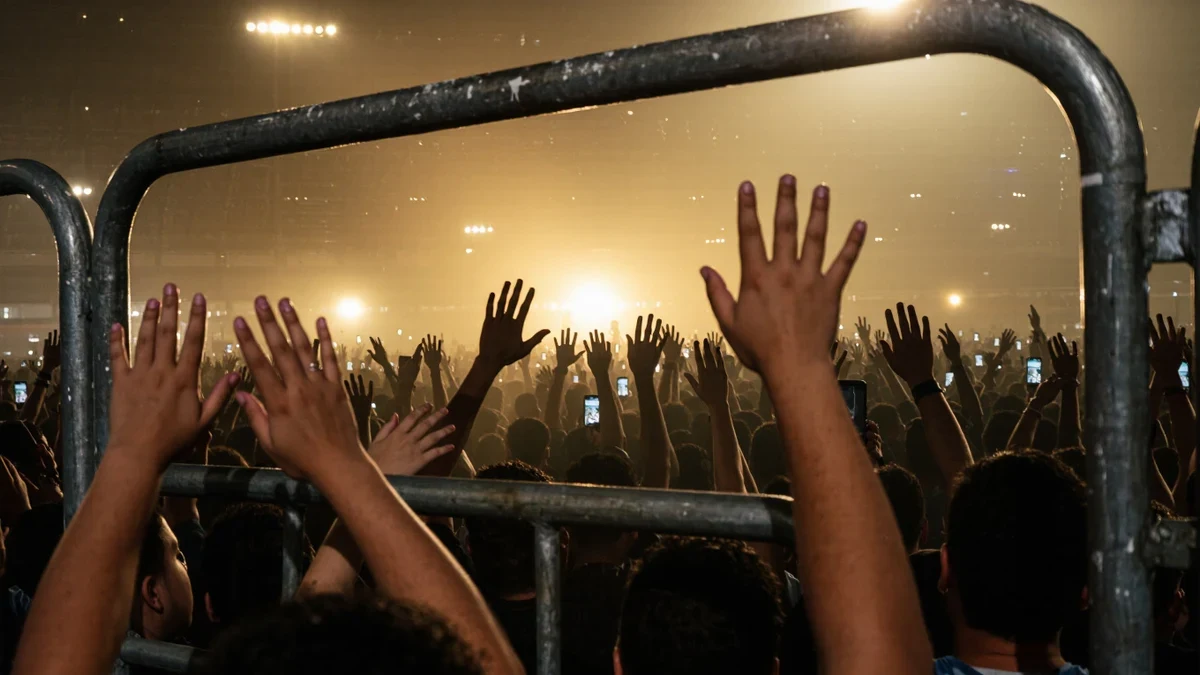
Staffing starts with the event type. A seated awards show needs fewer visible guards than a fan meet-and-greet, where people move through lines and reach toward the star. A premiere adds press lines and photographers, which means controlling where cameras stand as well as where fans gather.
The advance person works with venue security, not around it. Large venues have their own staff, and celebrity protection layers on top of that rather than replacing it. The two groups agree on who controls which door, how a late arrival is handled, and where the star waits if a crowd builds.
Live events with unpredictable crowds take extra planning. Comedy shows are a good example of a format that has become a proving ground for performers and draws packed rooms weekly; according to OnlyFans' blog, Kill Tony in Austin is the weekly spotlight comedians line up for, with a live audience deciding each set's fate in real time. Rooms like that run on energy and proximity, so protection there focuses on stage access and crowd movement rather than a distant roped line.
What this means for readers: the number of guards visible at an event reflects the venue and the crowd, not the star's importance. A small detail at a private dinner and a large one at a fan convention can both be the correct staffing for the situation.
What do travel protocols look like?
Travel protection follows a simple rhythm: route, arrival, and lodging. A team plans the route between the airport and a hotel, checks the arrival path, and confirms the lodging situation before the star lands. On multi-city tours, this repeats city by city, often with local professionals hired to support the traveling lead.
Airports get special attention because they are public, crowded, and full of photographers. Teams coordinate with airport authorities where possible and time arrivals to reduce exposure. Some stars travel through private terminals for exactly this reason, a choice that is theirs to make and rarely announced in advance.
Hotels are handled similarly. The team confirms which entrance is used, which floor is held, and how visitors are vetted. None of this is disclosed publicly ahead of time, for the obvious reason that a published plan is a broken plan.
Why does security sometimes become official news?
Security becomes news when something visible happens or when a star's team chooses to speak. A representative confirming an incident is the most common route: the rep states what occurred and what the star's status is, and the statement becomes the record. GossiPost covers these confirmations the way it covers everything, by saying exactly who confirmed what, in the same sentence.
Teams also surface in news when arrangements change in a way a representative addresses, such as added protection around a major public moment. And security professionals themselves occasionally speak on the record about the craft in general terms, without discussing any specific client. Those on-record comments are the public's main window into how the work is done. This connects to our earlier piece, Why Stars Change Their Names: Stage-Name Pivots From the Record.
What the public almost never gets is the plan itself. Details about routes, staffing counts, or threat assessments stay private, and responsible reporting respects that. A story that claims specifics without a named source behind them is exactly the kind of talk this publication leaves out, as explained in entertainment news standards built on confirmed information. Readers following this should also see How Celebrity Brands Actually Get Built: Casamigos and Fenty Beauty Explained.
How do teams balance protection with public access?
Famous people want to be seen. That is part of the job, and security that hides a star completely fails at another of its tasks: enabling the appearances, premieres, and fan moments that build a career. Good teams treat access as something to shape, not block.
The tools are practical. Barriers and controlled lines keep a crowd orderly while keeping it close. Scheduled moments, like a set time on a red carpet or a wave to fans from a marked spot, give photographers and audiences a predictable focal point. Guards then manage the edges of that moment rather than the whole room.
Our analysis of confirmed reporting across the industry suggests the balance tilts by context. A premiere invites maximum visibility with tight control at the line. A personal errand calls for the opposite: minimal visibility, no announcement, and a quick exit. The same team provides both, switching modes without the public noticing a switch happened.
Fans can support that balance easily. Following venue instructions, staying behind barriers, and treating guards as professionals doing a job all keep events safe and enjoyable. The most memorable fan moments usually come from orderly crowds, not chaotic ones.
What should readers take away about celebrity security?
Celebrity security is a planning profession first and a physical one second. Advance work, venue coordination, travel routines, and controlled access points do most of the protecting long before anyone stands next to a star. The visible guards are the smallest and most public part of the system.
The evidence on record, mostly representative statements and on-record professional commentary, establishes the general shape of the work. What remains unknown, and will stay unknown, is any specific star's specific plan, because the plan only works if it stays private. When security does make the news, the confirmed fact is usually the incident or the change, never the underlying arrangement.